Nearby Tourist Attractions
Jajati Courtyard, located at Jajpur Road, Odisha, is an ideal stay destination for travelers seeking spiritual journeys, heritage exploration, and nature escapes. The hotel enjoys excellent connectivity to some of Odisha’s most famous temples, Buddhist heritage sites, and natural attractions, making it a perfect base for leisure and pilgrimage travel.
Maa Biraja Shakti Peeth, Jajpur – 35 km
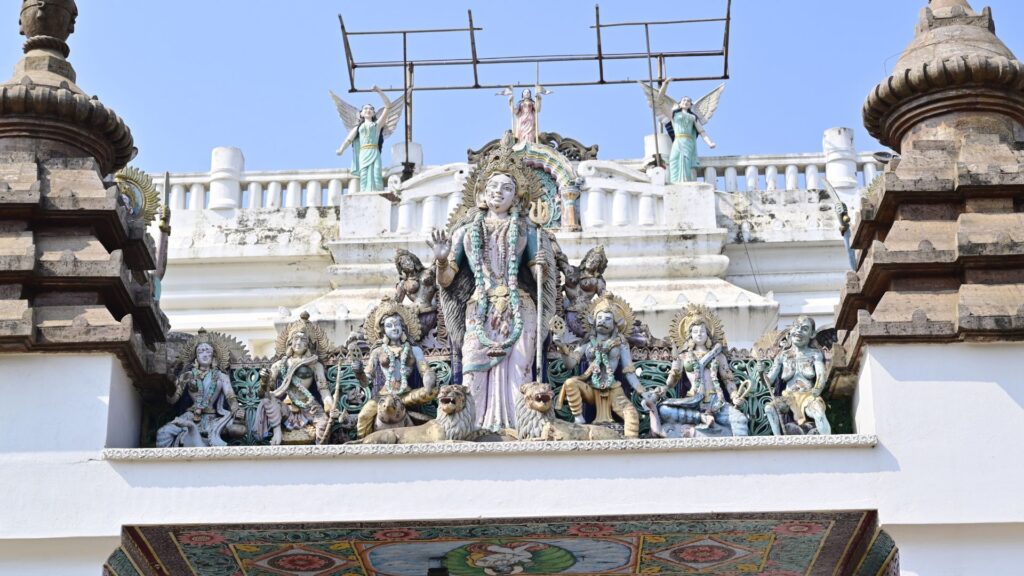
One of the most revered Shakti Peethas in India, Maa Biraja Temple is situated on the sacred banks of the River Baitarani. This ancient temple holds immense religious significance and is a must-visit pilgrimage destination for guests staying at Jajati Courtyard.
It is associated with Goddess Biraja (Viraja), a fierce yet benevolent form of Maa Durga.
According to Shakti Peetha lore, the navel (nabhi) of Goddess Sati fell at this place, making it spiritually significant.The presiding Bhairava here is Jagannath Bhairava.The temple is famous for the goddess’s two-armed, buffalo-slaying form, symbolizing the victory of divine power over evil.Biraja Kshetra is also an important tantric and pilgrimage center, especially visited during Navratri and Durga Puja.The nearby Baitarani River adds to the sacred geography of the site.
The presence of Maa Biraja and the holy Baitarani River makes the kshetra especially powerful for Pitru tarpan, pind daan, and Narayana Bali rituals.Scriptures and local belief hold that this kshetra has the ability to relieve Pitru dosha and ensure peace for departed souls.Many devotees perform annual Shrāddha or special rites here during Pitru Paksha, considering it equivalent in merit to Gaya Shrāddha.
Chhatia Jagannath Temple – 50 km
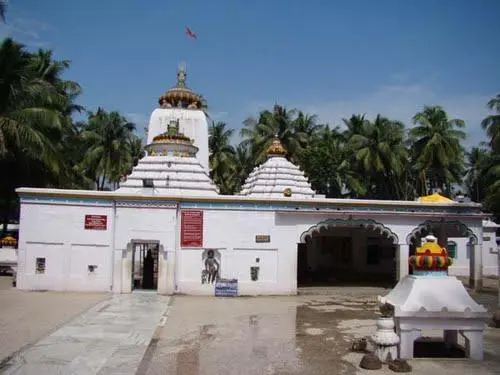
Chhatia Jagannath Temple is a prominent Vaishnav shrine dedicated to Lord Jagannath, known for its peaceful environment and spiritual heritage. It is a popular religious stop for devotees and cultural travelers visiting Jajpur district.
Chhatia Jagannath Temple, also known as Chhatia Bata, is a revered Hindu temple located in Chhatia village in Jajpur district, Odisha, India, situated along the NH-16 between Cuttack and Chandikhole. It is dedicated to Lord Jagannath along with Lord Balabhadra and Devi Subhadra.
Unlike many other Jagannath temples, Chhatia Bata is closely linked with the prophetic text known as Maalika, attributed to the saint Hadidas. According to this scripture, the end of the current age (Kali Yuga) will see Lord Jagannath, Balabhadra, and Subhadra leave their abode in Puri and relocate to Chhatia — believed to be one of the few places not submerged by the sea in that future era. Thus Chhatia is often thought of as the “second abode” of Lord Jagannath.
Mini Kedarnath – 35 km
Often referred to as Mini Kedarnath, this sacred site offers a serene spiritual experience inspired by the Himalayan Kedarnath Temple. Surrounded by calm surroundings, it is a favored destination for short spiritual excursions from Jajati Courtyard.
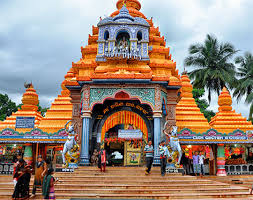
Maa Tarini Temple, Ghatgaon – 70 km
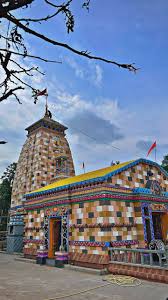
One of Odisha’s most powerful and widely worshipped temples, Maa Tarini Temple is located amidst scenic hills in Ghatgaon. The temple attracts thousands of devotees and is a popular day trip from Jajpur Road.
Maa Tarini is the living embodiment of compassion, faith, and divine protection. She is worshipped not merely as a deity in a temple, but as a Mother who walks with her children through life’s trials. Her legend teaches that the Divine does not demand perfection—only trust and surrender.
When Maa Tarini followed King Gobinda Bhanja on the condition that he would not look back, she was testing unshaken faith. The moment he turned back, human doubt met divine mystery. Yet, instead of anger, Maa Tarini chose to remain there forever, blessing the land of Ghatagaon. This reveals her true nature: merciful, forgiving, and ever-present.
Her manifestation in stone symbolizes that the Mother is immovable in her protection. Just as stone withstands time, storms, and change, Maa Tarini stands firm beside her devotees through sorrow, fear, and uncertainty.
Dwelling amidst forests and hills, Maa Tarini reminds us that God lives close to nature and common people. She is the guardian of the poor, the tribal, the forgotten, and the faithful. Her name, Tarini, means the one who carries us across the ocean of suffering, holding our hand when our strength fails.
To surrender at Maa Tarini’s feet is to believe that even when faith falters, the Mother never abandons her child.
Ratnagiri Buddhist Heritage Site – 32 km
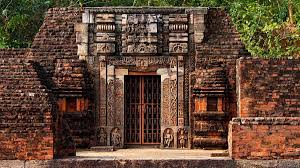
Ratnagiri is an internationally recognized Buddhist archaeological site, dating back to the 5th century. Known for its ancient monasteries, stupas, and sculptures, it forms an important part of Odisha’s Buddhist tourism circuit.
The Ratnagiri Buddhist Heritage Site, located in Odisha’s Jajpur district, is one of India’s most important ancient Buddhist centres, flourishing between the 5th and 13th centuries CE. Meaning “Hill of Jewels,” Ratnagiri was a major hub of Mahayana and Vajrayana Buddhism, renowned for learning, meditation, and artistic excellence. Archaeological remains include a grand monastery complex, a central stupa surrounded by hundreds of votive stupas, and finely carved sculptures of the Buddha and Bodhisattvas. Along with Udayagiri and Lalitgiri, it forms Odisha’s famous Diamond Triangle, highlighting the region’s significant role in the spread of Buddhism in eastern India and beyond.
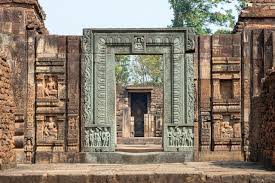
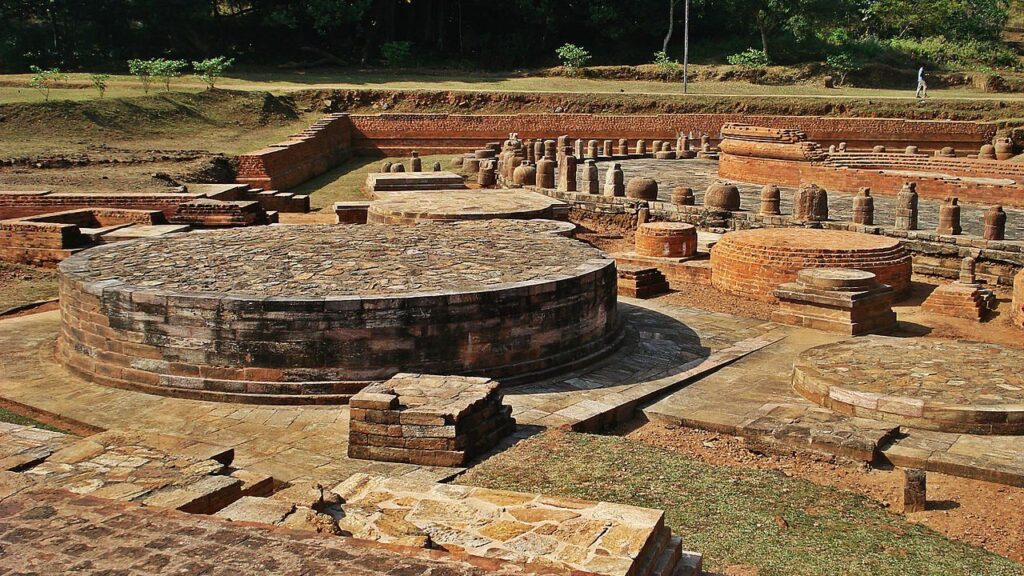
Lalitgiri Buddhist Complex – 35 km
Among the oldest Buddhist sites in Odisha, Lalitgiri features ancient stupas and relics with panoramic hilltop views. It is a peaceful and historically rich destination near Jajati Courtyard.
The Lalitgiri Buddhist Complex, located in Odisha’s Jajpur district, is one of the earliest and most significant Buddhist sites in eastern India, dating back to around the 2nd century BCE. It is renowned for housing ancient relic caskets, believed to contain remains of the Buddha, discovered inside a major stupa. Lalitgiri flourished as an important centre of Buddhist worship and learning, especially during the Mauryan and post-Mauryan periods. With its stupas, monasteries, stone sculptures, and inscriptions, the site reflects the evolution of Buddhism from early traditions to later Mahayana practices and forms a key part of Odisha’s Diamond Triangle of Buddhist heritage.
Udaygiri Buddhist Complex – 35 km
Udaygiri is the largest site of Odisha’s famous Diamond Triangle of Buddhism. The well-preserved monasteries and scenic landscape make it a must-visit heritage attraction for history and culture enthusiasts.
The Udayagiri Buddhist Complex, located in Odisha’s Jajpur district, is one of the largest and most prominent Buddhist sites in eastern India, flourishing between the 7th and 12th centuries CE. It was a major centre of Mahayana and Vajrayana Buddhism, known for its expansive monasteries, stupas, and richly carved sculptures of the Buddha and Bodhisattvas. Archaeological excavations have revealed well-planned monastic complexes, inscriptions, and ritual objects, indicating a thriving religious and educational hub. Along with Ratnagiri and Lalitgiri, Udayagiri forms the Diamond Triangle of Buddhism, highlighting Odisha’s vital role in the development and spread of Buddhism. Stay at Jajati Courtyard, Jajpur Road, and explore the perfect blend of spiritual heritage, ancient history, and natural beauty—all within comfortable driving distance.